
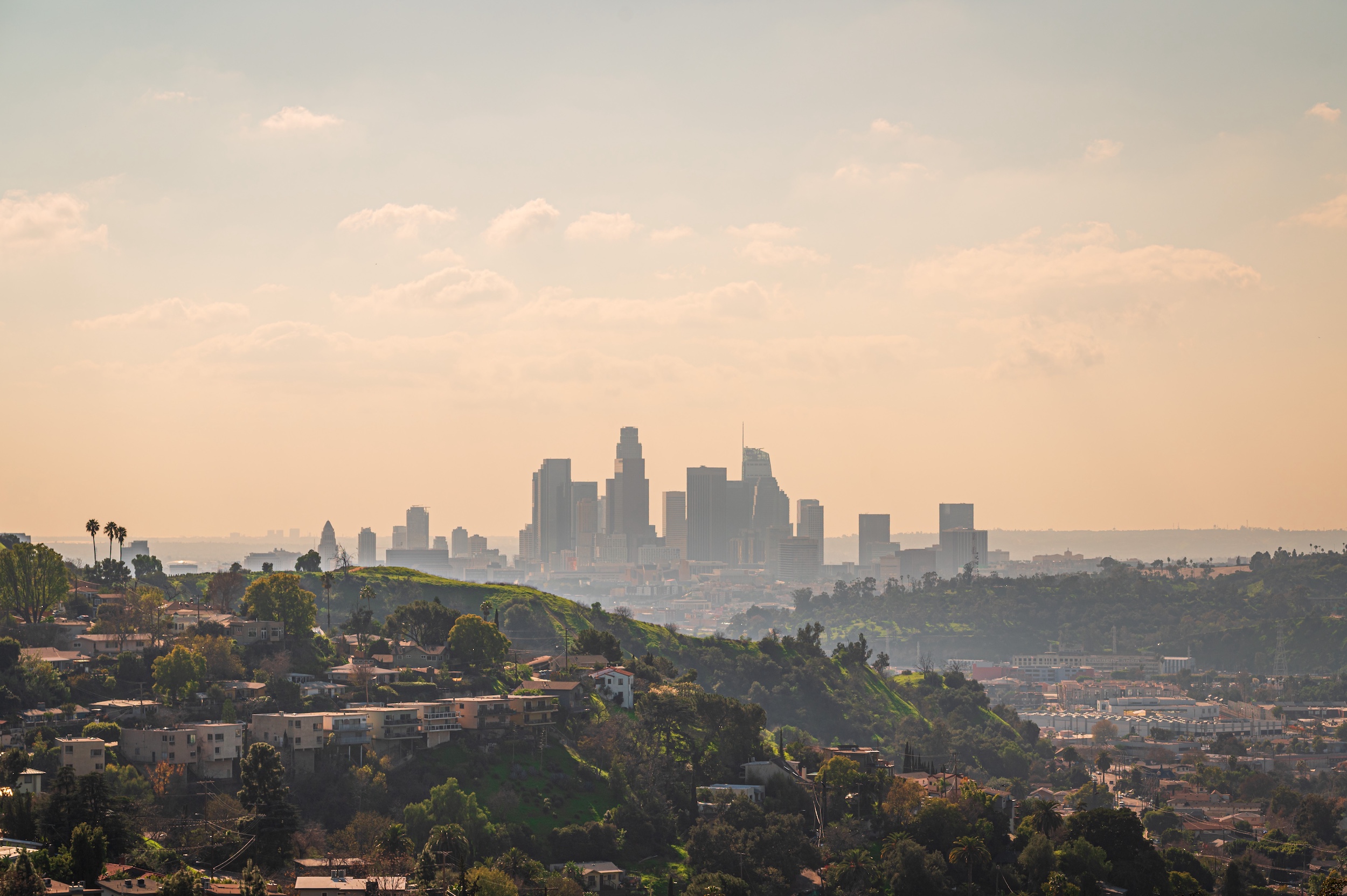
For years, people have asked the same question: is Highland Park a wealthy enclave of Northeast L.A. or a creative community that thrives on its eclectic energy? Like many neighborhoods in Los Angeles, Highland Park sits at the intersection of rising rent and real estate demand, while still holding onto its reputation as a hub for artists, young professionals, and family-run businesses.
At Given Highland Park, residents experience this unique blend first-hand, with access to cultural spaces, historic charm, and a thriving local scene.
This blog takes a closer look at the neighborhood’s transformation, cultural scene, and sense of community to understand whether Highland Park is defined more by wealth or creativity, or perhaps a balance of both.
Highland Park’s Transformation
Highland Park’s story is one of rapid transformation and revitalization. Once overlooked, the area has become one of Los Angeles’ most sought-after places to live. With the help of new development and interest from every major real estate brokerage, the heart of Highland Park has shifted from overlooked to trendy.
Highland Park real estate prices have climbed, and rental demand continues to increase. Although not as high as Silver Lake’s or Echo Park, the neighborhood is less relatively affordable than it once was. The demographics show a mix of long-time residents, artists, and newcomers, making it an evolving neighborhood with a complex identity.
Amid this change, Highland Park still highlights its history: establishment in 1897, historic buildings, and craftsman homes line residential streets. Quaint bungalows and tree-lined avenues add a tranquil character, making it more than just another trendy LA neighborhood.
The Creative Heart of Highland Park
At its core, Highland Park offers a thriving creative community. Walk the main thoroughfares like York Boulevard and Figueroa Street, also known locally as Fig and York, and you’ll find a rich tapestry of art galleries, street art, and murals.
Local favorites include the historic Highland Park Bowl, the oldest bowling alley in L.A., which doubles as a nightlife and music venue. Arts institutions like Judson Studios, founded in 1897, and the whimsical Bob Baker Marionette Theater highlight the park’s cultural history.
The neighborhood also has a reputation for being eclectic and artisanal, with boutique shops, record stores, and mom-and-pop stores scattered across its main thoroughfares. These establishments show the neighborhood’s resilience and community spirit even as the area grows.
Dining, Nightlife & Lifestyle
One reason many want to live in Highland Park is its vibrant culinary scene and nightlife. On Figueroa St and York Boulevard, you’ll find everything from taquerias and family-run eateries to gourmet bakeries, cafes, and coffee shops. Civil Coffee is a local favorite, while family businesses continue to run popular mom-and-pop stores and restaurants that keep the area grounded.
The neighborhood’s walkability adds to its ambiance, creating a vibrant community where grabbing a latte, exploring an art gallery, or enjoying nightlife all feels part of the same day. Chain stores have arrived too, but Highland Park still thrives on artisanal and eclectic local shops that reflect its vibrancy.
Compared to nearby Eagle Rock, Pasadena, and Silver Lake’s creative hubs, Highland Park balances a growing culinary scene with a strong emphasis on community engagement.
Looking for more ways to experience the neighborhood? Explore things to do near Highland Park.
Community Spirit & Accessibility
Beyond shops and dining, Highland Park’s identity lies in its strong sense of community. The area has always been a diverse community, with deep Latino roots, family businesses, and a tradition of community engagement. Today, that continues through community spirit, block parties, and a welcoming community feel.
Residents enjoy a mix of kid-friendly spaces, tranquil corners, and cultural attractions. Occidental College plays an important role in the neighborhood’s vibrancy, while Gold Line access gives residents easy commutes to Glendale, Pasadena, Montecito Heights, and downtown.
As an evolving neighborhood with a strategic location, Highland Park has managed to preserve its rich tapestry of history, culture, and community even amid rising costs.
Curious about daily life here? Read what it’s like to live at Given Highland Park.
Conclusion
So, is Highland Park a wealthy area or a creative hub? The truth is that it’s both. Rising rent and demand for Highland Park real estate show its popularity, but the neighborhood’s identity is built on its vibrancy, walkable streets, and deep-rooted creative community.
From art galleries and coffee shops to historic buildings and mom-and-pop stores, Highland Park’s strength lies in its ability to blend new development with long-standing traditions. It has become one of Los Angeles’ most sought-after neighborhoods, not just for wealth, but for its cultural tapestry and community spirit.
If you’re evaluating whether Highland Park is a good place to live, check out our dedicated guide: Is Highland Park a Good Place to Live? or what’s it’s like to live at given highland park
Ready to make this vibrant community your home? Explore Given Highland Park floor plans and find your perfect fit.
FAQs: Highland Park Wealth vs. Creative Hub
Highland Park has seen a revitalization and rapid transformation, with rising rental prices and real estate demand. While not the priciest in the Eastside, it’s less relatively affordable than before.
Yes. Highland Park offers a thriving arts culture with art galleries, murals, street art, record stores, and venues like Highland Park Bowl and Judson Studios.
Residents enjoy coffee shops, cafes, taquerias, boutiques, and walkable streets, as well as a welcoming community with deep roots and strong community engagement.
It offers a unique balance: more relatively affordable than Silver Lake’s trendiest spots, yet just as rich in vibrancy and culture as Pasadena, Eagle Rock, and Echo Park.